Germany has long been a powerhouse of artistic innovation, and today’s contemporary art scene continues this legacy with remarkable vitality. The country’s galleries, museums, and independent spaces showcase works that challenge conventions and reflect complex societal questions. Many institutions have adapted to digital transformation, with some even developing platforms like casinoonlinebuitenland.com that introduce not only fun content but art to younger audiences through interactive experiences and virtual exhibitions. This evolution demonstrates how German artists and cultural organizations remain at the forefront of merging tradition with innovation.
The contemporary German art landscape represents a fascinating intersection of historical consciousness and forward-thinking experimentation. Artists working across the country engage with themes ranging from environmental concerns to questions of identity, creating works that resonate both locally and internationally. Understanding these trends offers insight into how German culture processes the challenges and possibilities of our current moment.
The Rise of Socially Engaged Art
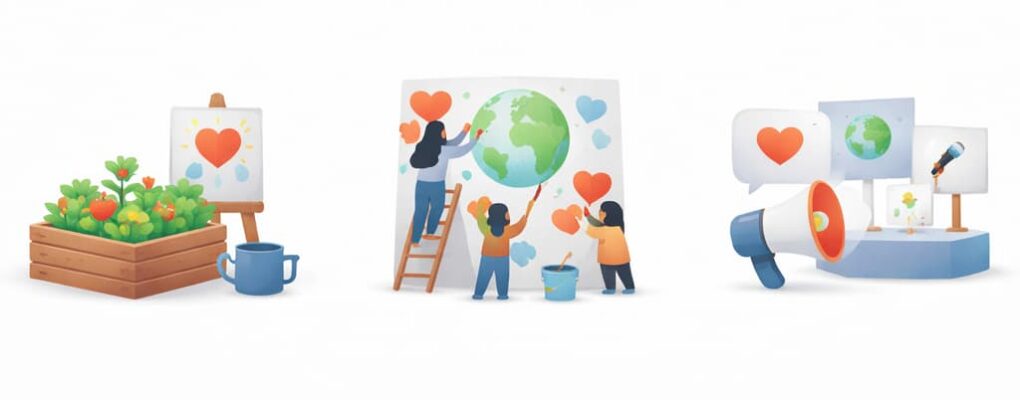
One of the most prominent trends in modern German art involves artists stepping beyond gallery walls to engage directly with communities and social issues. This practice, known as socially engaged or participatory art, has gained significant traction in cities like Berlin, Hamburg, and Leipzig. Artists collaborate with neighborhoods, refugee communities, and activist groups to create projects that address real-world concerns such as housing inequality, immigration, and climate change.
These projects often take unconventional forms—community gardens that double as sculpture parks, collaborative murals that tell neighborhood histories, or performance pieces that bring together diverse community members. The emphasis shifts from creating objects for passive consumption to facilitating experiences that spark dialogue and potentially inspire action. This approach reflects a broader German cultural interest in collective responsibility and democratic participation.
Digital and New Media Experimentation
German artists have embraced digital technologies with enthusiasm, creating works that exist at the intersection of art, technology, and innovation. Virtual reality installations, artificial intelligence-generated artworks, and blockchain-based digital art have all found homes in German galleries and art spaces. Cities like Berlin have become hubs for media art, with institutions dedicated to showcasing and preserving digital works.
This digital turn extends beyond simply using new tools. Artists interrogate the implications of living in an increasingly digitized world, exploring themes of surveillance, data privacy, and the nature of online identity. Some create algorithmic artworks that question authorship and creativity, while others build immersive environments that challenge our perception of physical and digital space. The integration of technology reflects Germany’s strong technological sector while maintaining critical artistic inquiry.
Environmental and Sustainability Themes
The climate crisis has profoundly influenced German contemporary art, with numerous artists focusing on environmental degradation, sustainability, and humanity’s relationship with nature. This trend manifests through diverse practices—from sculptors using exclusively recycled or natural materials to conceptual artists creating projects that measure environmental impact or imagine alternative ecological futures.
Some artists have partnered with scientists and environmental organizations to create works grounded in ecological research. Others stage interventions in natural spaces or create installations that make visible the invisible effects of pollution and climate change. German art institutions have also responded by examining their own environmental footprints, hosting exhibitions about sustainability, and reconsidering how they display and preserve artworks in more ecologically responsible ways.
Postmigrant Perspectives and Identity
Germany’s demographic transformation has enriched its art scene with diverse voices exploring themes of migration, belonging, and hybrid identities. Artists with immigrant backgrounds or those engaging with postmigrant experiences have gained prominence, offering perspectives that challenge traditional notions of German identity and culture. These artists often work across mediums, combining elements from different cultural traditions to create something distinctly contemporary and transcultural.
Their work addresses the complexities of navigating multiple cultural identities, experiences of displacement and homecoming, and the ongoing negotiation of what it means to be German in a multicultural society. This trend has expanded the conversation within German art, making space for narratives that reflect the country’s actual diversity while questioning who gets to tell stories and whose experiences are centered in cultural discourse.
Return to Materiality and Craft
Interestingly, alongside digital experimentation, there’s been a renewed interest in traditional materials and craft techniques. Young German artists are returning to painting, sculpture, textile work, and ceramics, often with fresh approaches that acknowledge historical traditions while subverting them. This trend suggests a desire for tangible, handmade objects in an increasingly virtual world.
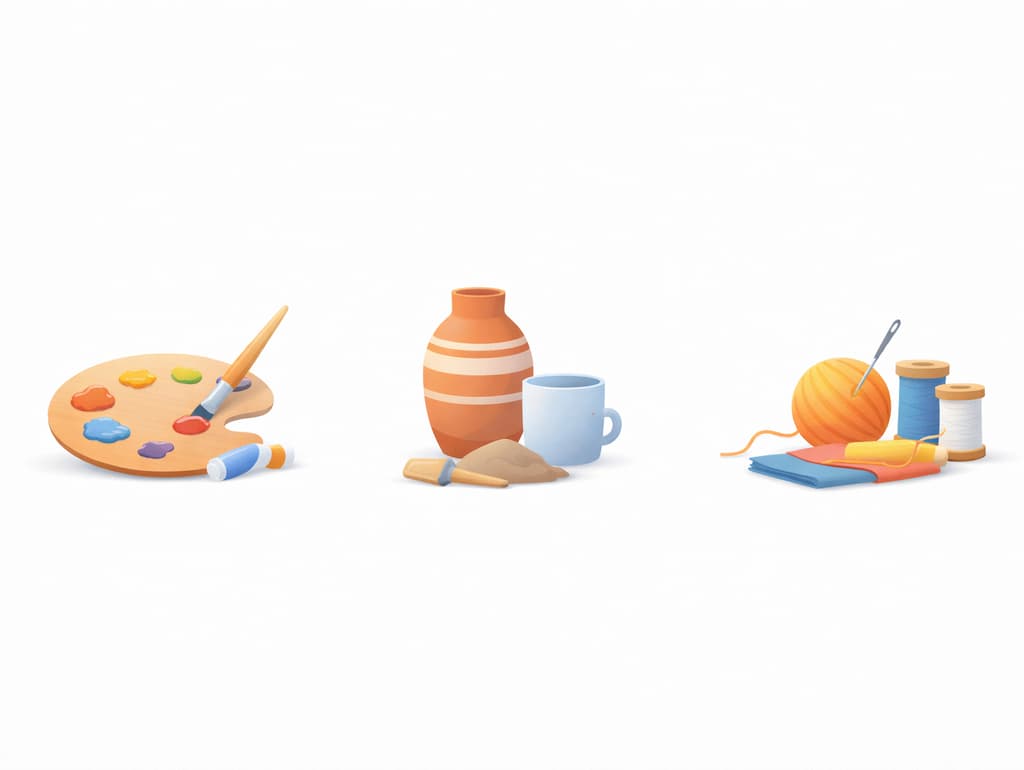
These artists frequently combine old techniques with contemporary concerns, creating works that feel both rooted in art history and urgently current. The emphasis on process and materiality offers a counterpoint to the speed and disposability of digital culture, inviting viewers to slow down and engage with physical presence. German art schools have supported this trend by maintaining strong craft programs alongside new media departments.
The landscape of modern German art demonstrates remarkable diversity and vitality. From socially engaged practices to cutting-edge digital experimentation, from environmental activism to explorations of identity, German artists continue pushing boundaries while engaging with the most pressing questions of our time. These trends reflect not only artistic innovation but also the broader cultural conversations shaping contemporary Germany. As the art scene continues evolving, it maintains Germany’s historical position as a place where art and society engage in meaningful, sometimes uncomfortable, but always vital dialogue.
Institutional Evolution and Accessibility
German art institutions are undergoing significant transformation to remain relevant in changing times. Museums and galleries are rethinking traditional exhibition models, implementing more inclusive curatorial practices, and addressing historical blind spots in their collections. Many institutions now prioritize accessibility, offering free admission days, multilingual programming, and outreach initiatives targeting underserved communities. Digital platforms have expanded reach beyond physical locations, allowing global audiences to engage with German art. These institutional shifts reflect broader conversations about who art serves and how cultural spaces can become more democratic and welcoming to diverse audiences.